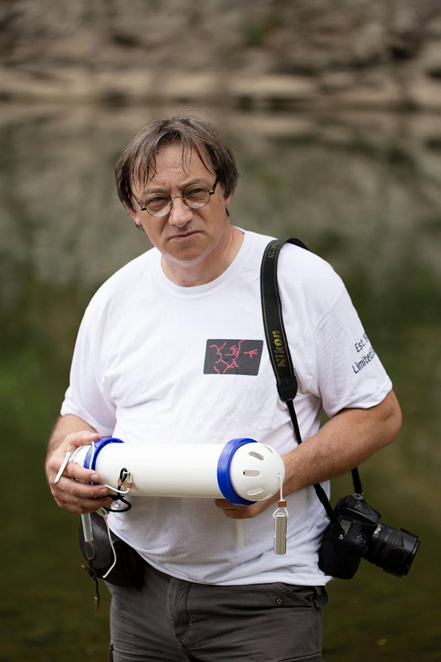
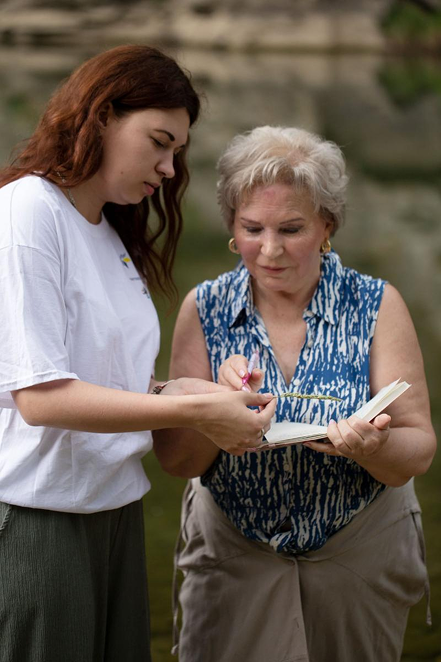
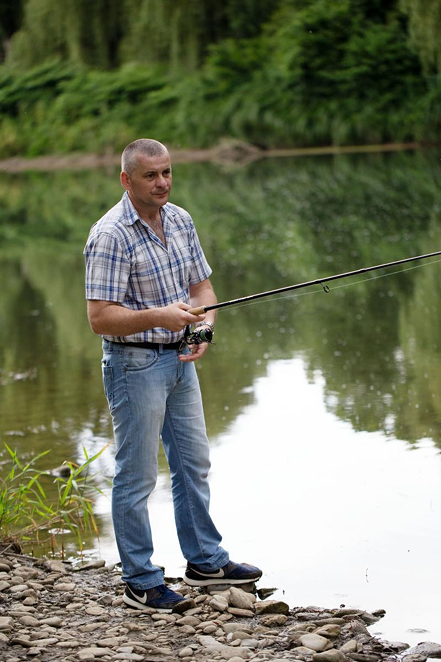
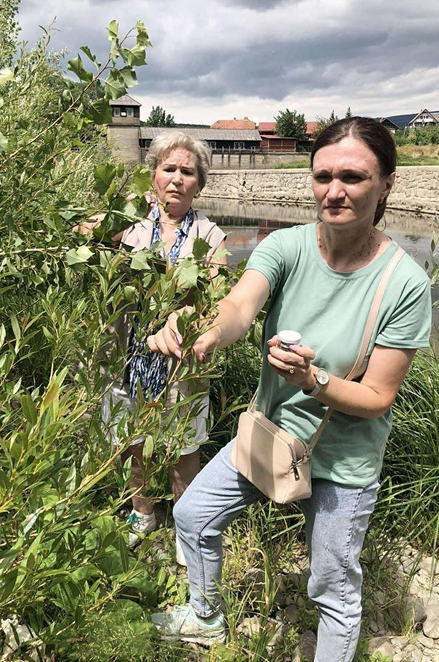
As part of the EFFUSE-win project, a team of experts conducted a field trip to pre-familiarize the locations, sampling and monitoring sites.
As part of the project “Environment for the Future through Science Education – Working in Nature” (EFFUSE-win), teams conducted a field trip to conduct preliminary site reconnaissance, identify potential sampling sites, and organize further monitoring.
During the survey, natural riverine communities were examined, their structural and species composition was analyzed, and the flora and fauna of the coastal areas and the riverbed were studied, including areas with slow flow and standing water in front of the dam in the village of Kamianytsia. Experts observed the phenological development of plants, paying attention to the flowering, fruiting, and life status of populations. The growth conditions of species in different microhabitats and the impact of natural and anthropogenic factors on their development were separately assessed.
Particular attention was paid to the degree of biological contamination of habitats, in particular in areas of mass concentration of adventitious plant species, in particular transformer species that form monodominant communities. A preliminary assessment of their distribution, density and potential impact on native communities was carried out.